

 Air Conditioner Systems (Electric Heat)
 Gas Split System
 Heat Pump Systems
 Mini Split Systems
 Package Units
 Mobile Home Systems
 AC & Heat Pump Condensers
 Evaporator Coils
 Air Handlers
 Electric Heat Kits
 Furnace
 Condenser Pad
 Drain Pans
 Fittings & Connections
 Flue Pipe
 Line Set
 Thermostat
 PVC Pipe & Fittings
 Miscellaneous Supplies
 Ducting & Venting
 Exhaust Fan
 Flex Duct
 Return Plenum
 Supply Plenum
 Registers & Grilles
 Filters
 Grilles
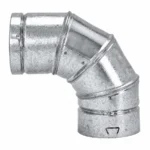
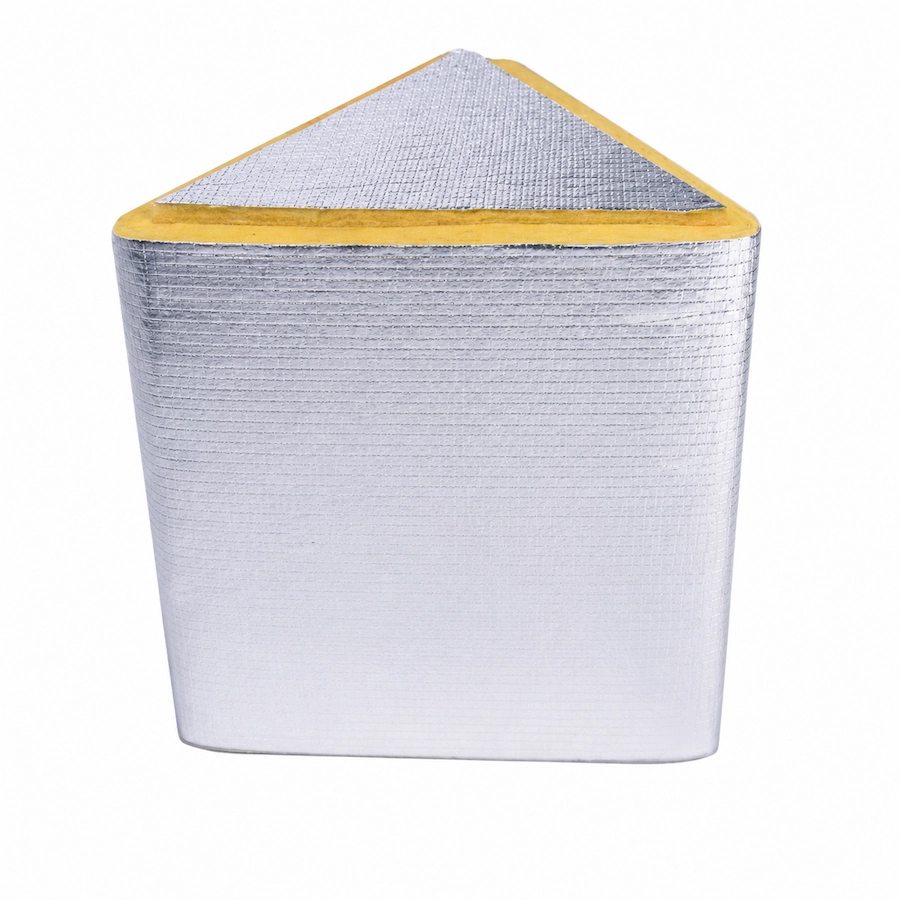
14” Turning Vane R6
$53.37

14 Inch Turning Vane R6 is an insulated HVAC duct fitting designed to redirect air while supporting smooth and efficient airflow. Its R6 insulation helps reduce heat transfer and makes it suitable for residential air-distribution installations.
- Nominal 14-inch HVAC duct connection
- R6 insulated construction
- Designed to redirect airflow efficiently
- Helps reduce turbulence around duct transitions
- Suitable for residential HVAC duct systems
- Professional installation recommended
Description
14 Inch Turning Vane R6 is an insulated HVAC air-distribution fitting designed to redirect moving air through a duct transition. Its turning-vane design helps guide the air around the change in direction, while the R6 insulation helps limit unwanted heat transfer through the duct assembly.
This component can be used as part of a properly designed residential heating and cooling duct system. Correct installation helps create a secure duct connection and supports consistent airflow throughout the conditioned space.
14 Inch Turning Vane R6 Features
- Nominal 14-inch HVAC duct connection
- R6 insulated construction
- Designed to guide air through a change in direction
- Helps reduce unnecessary airflow turbulence
- Suitable for compatible residential HVAC duct systems
- Useful in supply-air distribution applications
- Professional sizing and installation recommended
Designed to Guide HVAC Airflow
Air encounters resistance whenever it moves through a bend, transition or change in direction. A turning vane helps guide the air through that directional change instead of allowing it to strike the fitting directly and create excessive turbulence.
The 14 Inch Turning Vane R6 can support smoother air movement when it is correctly selected and installed. Actual system performance will depend on the HVAC equipment, duct design, total duct length, available static pressure and condition of the complete air-distribution system.
R6 Insulated Construction
The R6 insulation helps reduce heat transfer between the conditioned air inside the duct and the surrounding environment. This is especially useful when ductwork passes through spaces that are not directly heated or cooled.
Insulation may also help reduce the possibility of condensation when the duct system is properly sealed and installed. All seams, joints and connection points should be closed using materials approved for the specific HVAC duct system.
14-Inch Duct Connection
This product is designed for a nominal 14-inch duct application. Before ordering the 14 Inch Turning Vane R6, verify the dimensions and configuration of the existing ductwork.
HVAC components with similar product names may have different connection dimensions, insulation ratings or installation requirements. Confirming compatibility before installation can help prevent airflow problems, unwanted leakage and unnecessary product returns.
Supports Efficient Air Distribution
A properly designed duct system distributes conditioned air from the HVAC equipment to the required rooms or zones. Fittings such as a turning vane help direct that air through the system while reducing abrupt changes in movement.
Although a turning vane can support smoother airflow, it cannot correct an undersized or improperly designed duct system. The complete installation must account for the equipment capacity, airflow requirements, duct diameter, fitting resistance and total external static pressure.
Installing the 14 Inch Turning Vane R6
Before installation, inspect the product for visible damage and confirm that the connection size matches the adjoining ductwork. Position the fitting in the direction required by the duct layout and provide enough clearance for a secure connection.
Connect the 14 Inch Turning Vane R6 using fastening and sealing methods appropriate for the surrounding duct materials. All connected sections should be mechanically supported so their weight does not place unnecessary stress on the fitting.
Seal the complete perimeter of each joint to help reduce conditioned-air leakage. The exterior insulation and vapor barrier should remain continuous around the connection according to applicable installation requirements.
Proper Sealing Is Important
Air leakage around duct connections can reduce the amount of conditioned air reaching the intended space. It may also increase equipment operating time and contribute to inconsistent temperatures throughout the building.
Use HVAC-approved sealant, tape and fastening materials that are compatible with the installed ductwork. Ordinary household tape should not be used as the primary method for sealing an HVAC duct connection.
Duct Sizing and Compatibility
The 14-inch measurement alone does not determine whether this product is appropriate for a specific HVAC system. Required duct dimensions depend on the airflow needed, equipment capacity, duct length, number of fittings and available static pressure.
A qualified HVAC technician should confirm that the 14 Inch Turning Vane R6 is compatible with the intended installation. Incorrect sizing may contribute to restricted airflow, excess noise, comfort problems or reduced system performance.
Inspection and Maintenance
Inspect the fitting and connected ductwork periodically for loose joints, damaged insulation or visible air leakage. Any damaged sealing material should be replaced with an appropriate HVAC-rated product.
If airflow becomes weak, noisy or uneven, have the complete duct system inspected. Possible causes may include disconnected ductwork, restrictions, insulation damage, incorrect sizing or other airflow-related conditions.
Professional Installation Recommended
Professional installation of the 14 Inch Turning Vane R6 is recommended. A qualified technician can verify compatibility, position the fitting correctly, seal the connections and confirm that the completed duct system delivers the required airflow.
Explore more HVAC ducting and venting supplies from Xpress Supply. For additional information about efficient heating, cooling and duct systems, visit the U.S. Department of Energy Energy Saver.