

 Air Conditioner Systems (Electric Heat)
 Gas Split System
 Heat Pump Systems
 Mini Split Systems
 Package Units
 Mobile Home Systems
 AC & Heat Pump Condensers
 Evaporator Coils
 Air Handlers
 Electric Heat Kits
 Furnace
 Condenser Pad
 Drain Pans
 Fittings & Connections
 Flue Pipe
 Line Set
 Thermostat
 PVC Pipe & Fittings
 Miscellaneous Supplies
 Ducting & Venting
 Exhaust Fan
 Flex Duct
 Return Plenum
 Supply Plenum
 Registers & Grilles
 Filters
 Grilles
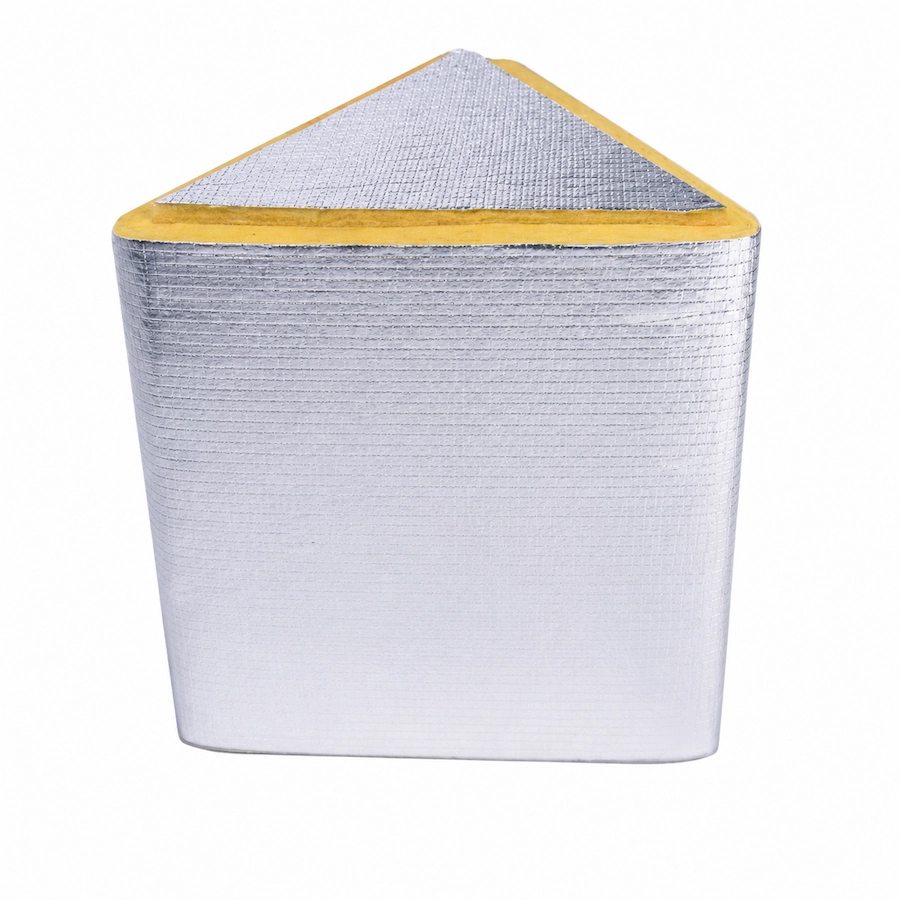
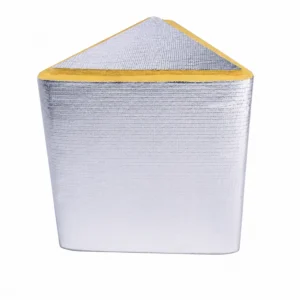
16” Turning Vane R6
$57.82

16 Inch Turning Vane R6 is an insulated triangular HVAC air-distribution component designed to direct airflow through compatible duct systems. Its 16-inch connection and R6 insulation support organized installation and reduced heat transfer.
- 16-inch nominal duct connection
- R6 insulated construction
- Triangular air-distribution design
- Helps direct airflow through duct transitions
- Suitable for compatible residential HVAC systems
- Ideal for new installations and replacements
Description
16 Inch Turning Vane R6 is an insulated triangular air-distribution component designed to help redirect airflow within compatible HVAC duct systems. Its 16-inch nominal connection and R6 insulation make it suitable for installations that require an organized transition while limiting unwanted heat transfer.
Changes in duct direction can create turbulence and resistance when they are not designed correctly. A properly selected turning component helps guide conditioned air through the transition and supports more consistent airflow throughout the connected duct system.
16 Inch Turning Vane R6 Features
The 16 Inch Turning Vane R6 combines a large round duct connection with a triangular insulated housing. The component can be incorporated into compatible air-distribution layouts where the duct route requires a directional transition.
- 16-inch nominal duct connection
- R6 thermal insulation rating
- Triangular air-distribution design
- Helps redirect airflow through a duct transition
- Designed for compatible HVAC duct systems
- Helps reduce unwanted heat transfer
- Suitable for residential air-distribution applications
- Useful for new installations and replacements
The insulated construction helps preserve the temperature of conditioned air as it passes through the fitting. It can also help reduce the possibility of exterior condensation when cold supply air travels through a warm or humid installation area.
Managing Airflow Through Direction Changes
The 16 Inch Turning Vane R6 is designed to help air change direction more effectively than an abrupt, unplanned duct opening. Smooth airflow transitions can reduce turbulence, unnecessary pressure loss and excessive operating noise.
Actual performance depends on the complete HVAC system. Equipment airflow, available static pressure, duct length, connection sizes and the design of other fittings all influence how air moves through the installation.
This component cannot correct an improperly sized or poorly designed duct system. A qualified HVAC contractor should evaluate the entire air-distribution layout and confirm that the 16-inch connection is appropriate for the required airflow.
Installing the 16 Inch Turning Vane R6
Before installing the 16 Inch Turning Vane R6, verify the dimensions and connection requirements of the adjoining ductwork. Nominal duct sizes do not always represent the exact physical measurements of each fitting.
Plan the orientation carefully so the component directs air toward the intended duct route. Incorrect positioning can create unnecessary resistance or interfere with nearby framing, equipment connections, refrigerant piping and electrical components.
Support the fitting independently when necessary. The connected ductwork should not place excessive weight or stress on the triangular housing, plenum or HVAC equipment.
Secure every connection using fasteners appropriate for the duct material. Seal joints and seams with HVAC-approved mastic, sealant or another approved product. Proper sealing helps prevent conditioned-air leakage and supports reliable system performance.
Connecting Compatible Ductwork
The 16-inch opening of the 16 Inch Turning Vane R6 may connect with compatible round rigid duct or insulated flexible duct, depending on the installation design. Each duct type requires the correct fastening, sealing and support methods.
When connecting flexible duct, secure the inner liner according to the duct manufacturer’s instructions. Restore the insulation around the connection and seal the outer vapor barrier to reduce heat transfer and moisture intrusion.
Avoid compressing, twisting or sharply bending flexible duct near the connection. These conditions can restrict airflow and increase resistance. Flexible duct should be supported correctly to prevent excessive sagging.
When connecting rigid duct, verify that the joint is mechanically secure and properly sealed. The rigid duct should remain aligned with the fitting and receive adequate structural support.
Benefits of R6 Insulation
The R6 insulation incorporated into the 16 Inch Turning Vane R6 helps slow heat transfer between conditioned air and the surrounding installation space. This is particularly useful when the component is installed in an attic, garage, mechanical room or another unconditioned location.
Insulation can also help control surface condensation. However, the exterior vapor barrier, seams and connections must remain properly sealed. Tears, gaps or exposed areas may allow humid air to contact colder surfaces.
Local energy codes may require a specific insulation level depending on the building and installation location. Confirm that an R6 rating satisfies all applicable project requirements before installation.
Selecting the Correct Component
Do not select the 16 Inch Turning Vane R6 based only on the tonnage of the HVAC equipment. The correct fitting and duct size depend on airflow requirements, blower performance, available static pressure and the design of the complete distribution system.
Verify that the available installation area can accommodate the triangular housing and its connection. Consider service access, structural framing and nearby mechanical components before finalizing its position.
If the existing ductwork uses a different size, a professionally designed transition may be required. Forcing incompatible components together can create air leakage, structural problems and airflow restrictions.
Inspection and Maintenance
Inspect the component during routine HVAC service. Check for loose duct connections, damaged insulation, air leakage, condensation or signs that the fitting has shifted.
Seal any accessible air leaks using products approved for HVAC duct systems. Replace or repair damaged insulation and vapor-barrier materials to maintain continuous thermal protection.
Unusual airflow noise near the fitting may indicate a restriction, loose connection or design problem. A qualified technician should evaluate persistent noise or comfort issues instead of attempting to correct them by closing supply registers.
Professional HVAC Installation
16 Inch Turning Vane R6 should be installed by a qualified HVAC professional. Correct placement, support and sealing are essential for dependable airflow and long-term performance.
This product includes the insulated turning component only. Ductwork, collars, clamps, fasteners, supports and sealing materials may be sold separately. Confirm the included components and dimensions before ordering.
Find compatible installation materials in the Xpress Supply Ducting & Venting category. For official information regarding stationary air-conditioning systems and technician requirements, visit the EPA Section 608 refrigeration and air-conditioning resources.
Professional design and installation help ensure that the component works correctly as part of the complete HVAC air-distribution system.