

 Air Conditioner Systems (Electric Heat)
 Gas Split System
 Heat Pump Systems
 Mini Split Systems
 Package Units
 Mobile Home Systems
 AC & Heat Pump Condensers
 Evaporator Coils
 Air Handlers
 Electric Heat Kits
 Furnace
 Condenser Pad
 Drain Pans
 Fittings & Connections
 Flue Pipe
 Line Set
 Thermostat
 PVC Pipe & Fittings
 Miscellaneous Supplies
 Ducting & Venting
 Exhaust Fan
 Flex Duct
 Return Plenum
 Supply Plenum
 Registers & Grilles
 Filters
 Grilles
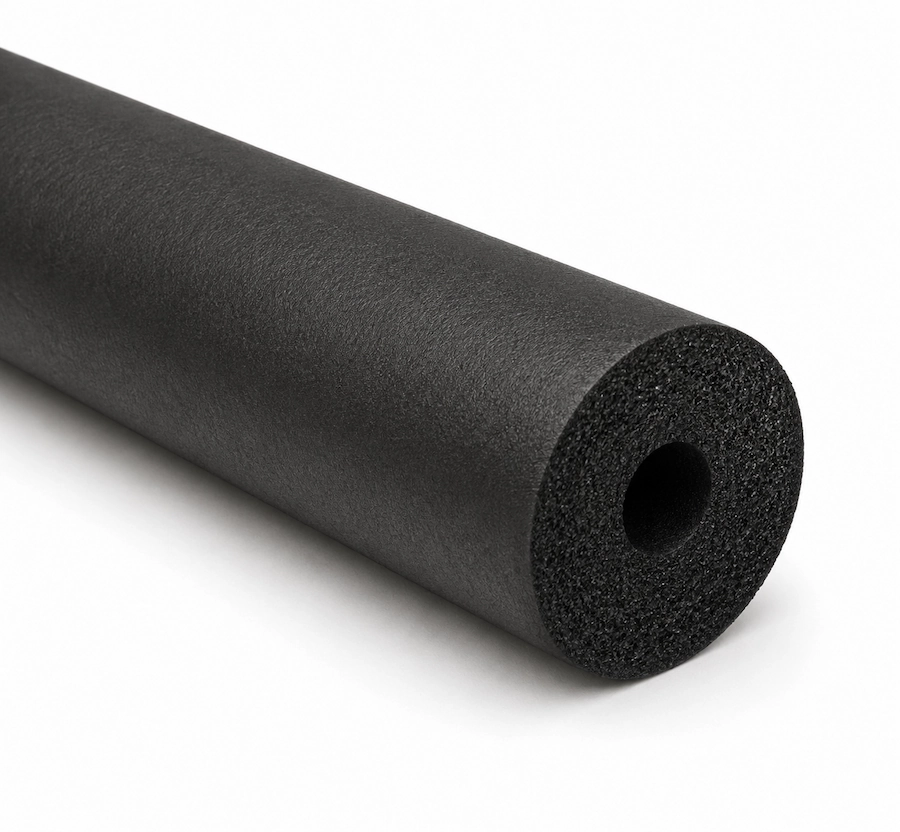

Copper Insulation 7/8 – 1-Inch Wall x 72-Inch
$29.52

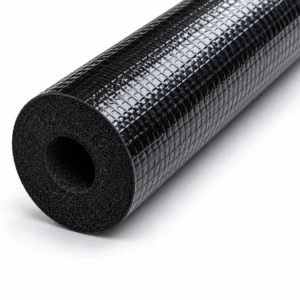
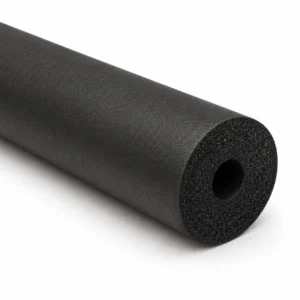
Copper Insulation 7/8 is flexible, closed-cell elastomeric pipe insulation designed to help reduce energy loss and prevent condensation on HVAC refrigerant piping. It features a 7/8-inch inside diameter, 1-inch wall thickness and 72-inch length.
- 7/8-inch nominal inside diameter
- 1-inch insulation wall thickness
- 72-inch overall length
- Flexible closed-cell elastomeric construction
- Helps control condensation and moisture penetration
- Temperature range from -297°F to 220°F
- Black professional finish
Description
Copper Insulation 7/8 provides dependable thermal protection for properly sized copper refrigerant piping in residential and light-commercial HVAC applications. Its flexible, closed-cell elastomeric construction helps reduce unwanted heat transfer while limiting the formation of condensation on cold refrigerant lines.
This insulation has a nominal 7/8-inch inside diameter, a substantial 1-inch wall thickness and an overall length of 72 inches. The flexible material can be fitted around compatible piping while maintaining a clean, professional appearance. Always confirm the outside diameter of the pipe before ordering because the listed 7/8-inch measurement refers to the nominal inside diameter of the insulation.
Copper Insulation 7/8 Features
The closed-cell structure of Copper Insulation 7/8 creates a barrier that helps resist moisture penetration. This is especially important on HVAC suction lines, where surface temperatures may fall below the dew point and cause condensation when insulation is missing, damaged or improperly sealed.
- Nominal 7/8-inch inside diameter
- 1-inch insulation wall thickness
- 72-inch section length
- Flexible closed-cell elastomeric material
- Black exterior finish
- Thermal conductivity value of 0.245 at 75°F
- Water permeability rating of 0.03 perm-in
- Operating temperature range from -297°F to 220°F
The low thermal conductivity helps slow heat transfer between the refrigerant pipe and the surrounding environment. Its low water permeability also helps protect the insulated surface against moisture intrusion when the material is correctly fitted and all seams are properly sealed.
Condensation and Energy-Loss Protection
Copper Insulation 7/8 helps prevent condensation from forming on compatible cold copper lines. Condensation control can protect nearby ceilings, walls, equipment platforms and building materials from moisture exposure. It may also help reduce dripping around the indoor equipment and along the refrigerant line path.
Proper insulation supports efficient HVAC performance by limiting heat gain along the suction line. Although insulation cannot correct an improperly charged or incorrectly installed system, maintaining a continuous insulation barrier is an important part of a professional refrigerant piping installation.
Installing Copper Insulation 7/8
Before installing Copper Insulation 7/8, verify that the copper pipe is clean, dry and appropriately sized for the insulation opening. The insulation should fit securely without being excessively stretched or compressed. Compression can reduce the effective wall thickness and may decrease its insulating performance.
Install each section so that adjoining edges meet closely. Seal longitudinal seams, joints and terminations with an adhesive or sealing method approved for closed-cell elastomeric insulation. Open gaps may allow humid air to reach the cold pipe surface, increasing the possibility of condensation beneath the insulation.
Special attention should be given to elbows, valves, fittings and connections. These areas should maintain continuous coverage without exposed copper. If the insulation is used outdoors, confirm the manufacturer’s protection and installation requirements for exposure to sunlight, weather and possible physical damage.
HVAC Applications
Copper Insulation 7/8 can be used on compatible refrigeration and air-conditioning piping where a 7/8-inch insulation opening and 1-inch wall are required. It is suitable for new installations as well as the replacement of deteriorated, missing or damaged insulation.
Common applications include refrigerant suction lines serving split-system air conditioners and heat pumps. The required pipe diameter and insulation thickness depend on the HVAC equipment, refrigerant circuit, line length and applicable installation standards. Review the equipment manufacturer’s specifications before selecting materials.
This product is insulation for piping and does not include the copper tube, refrigerant or installation accessories. Refrigerant system work should be performed by a qualified HVAC professional following applicable safety procedures and environmental regulations.
Choosing the Correct Insulation
Selecting the correct inside diameter is essential. Insulation that is too large can leave air gaps, while insulation that is too small may be difficult to install and become compressed. Measure the pipe’s outside diameter and compare it with the product dimensions before completing the purchase.
The 1-inch wall gives Copper Insulation 7/8 a thicker insulating layer than many standard residential insulation products. Whether this wall thickness is appropriate depends on the system design, local climate and installation requirements. A licensed contractor can confirm the proper selection for the specific application.
Complete Your Installation
Pair Copper Insulation 7/8 with compatible materials from our refrigerant copper line sets and accessories category. For additional information about HVAC maintenance and system efficiency, review the U.S. Department of Energy air-conditioner maintenance guidance.
Inspect installed insulation periodically for open seams, deterioration or physical damage. Promptly repairing damaged areas helps preserve the continuous moisture and thermal barrier needed for reliable long-term performance.
About XSupply
Quality HVAC parts, air filters, replacement components, and installation supplies designed to deliver reliable performance, dependable compatibility, and exceptional value for residential and commercial HVAC systems.