

 Air Conditioner Systems (Electric Heat)
 Gas Split System
 Heat Pump Systems
 Mini Split Systems
 Package Units
 Mobile Home Systems
 AC & Heat Pump Condensers
 Evaporator Coils
 Air Handlers
 Electric Heat Kits
 Furnace
 Condenser Pad
 Drain Pans
 Fittings & Connections
 Flue Pipe
 Line Set
 Thermostat
 PVC Pipe & Fittings
 Miscellaneous Supplies
 Ducting & Venting
 Exhaust Fan
 Flex Duct
 Return Plenum
 Supply Plenum
 Registers & Grilles
 Filters
 Grilles
What Size HVAC System Do I Need? HVAC Sizing Guide for Texas Homes

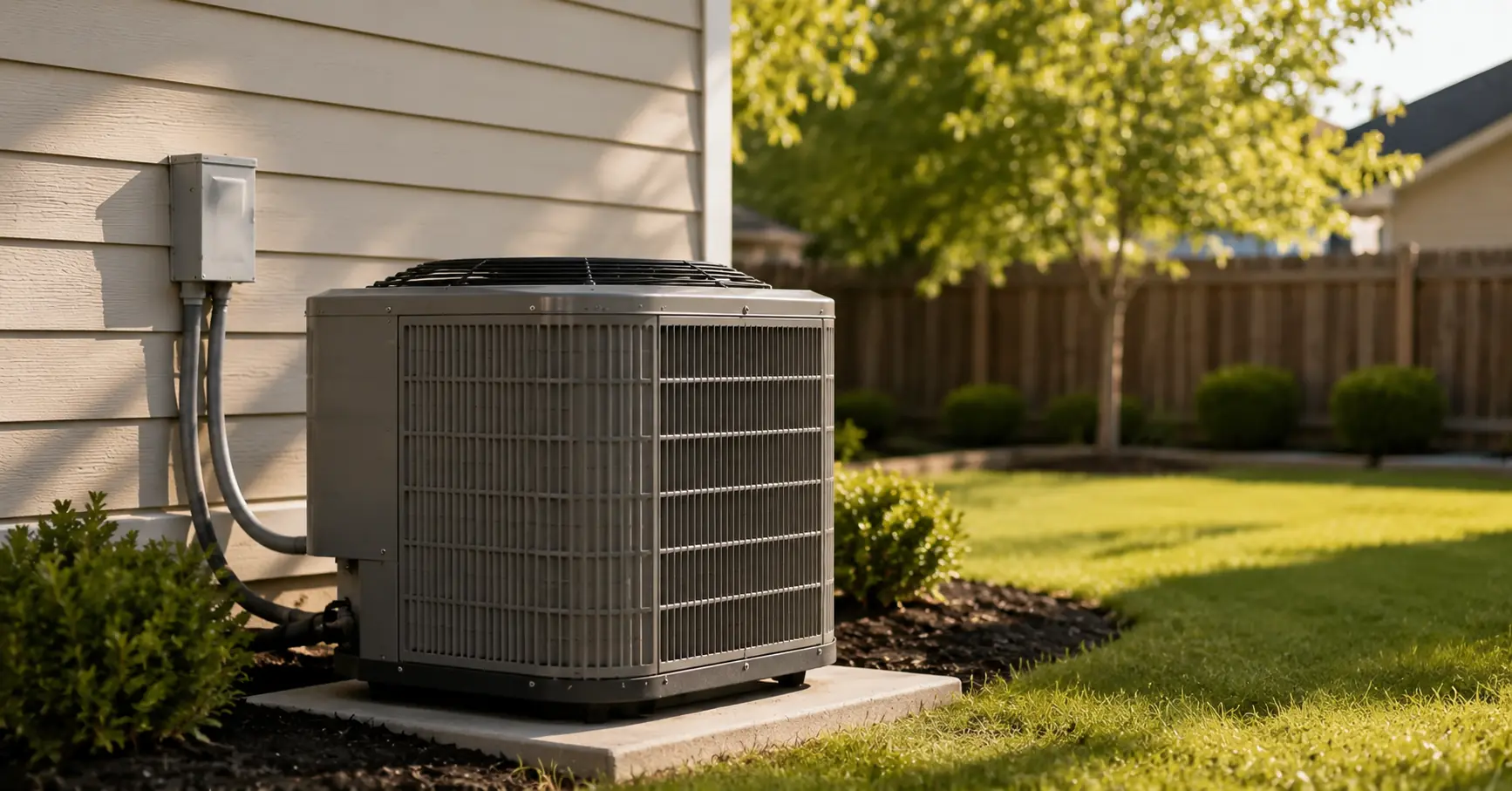
What size system does your home actually need?
Choosing a new HVAC system starts with one essential question:
Many people begin by comparing brands, prices, or efficiency ratings. However, none of those decisions will deliver the expected results if the equipment is incorrectly sized.
A properly sized HVAC system can provide:
- More consistent indoor temperatures
- Better humidity control
- Lower energy consumption
- Longer equipment life
- Fewer unnecessary operating cycles
- Better overall performance
A system that is too large or too small may still turn on and produce cold air, but it will not operate as efficiently or comfortably as a properly selected system.
This guide explains how HVAC sizing works, which home characteristics affect capacity, and how to estimate the recommended tonnage before purchasing new equipment.
Quick Answer
Most Texas homes require approximately 1 ton of cooling for every 400–500 sq. ft., but insulation, ceiling height, windows, sun exposure, air leakage, and a Manual J load calculation can significantly change the recommended size.
👉 Try our AC Sizing Calculator for a personalized estimate.
Start With the Xpress AC Sizing Calculator
Before comparing equipment specifications or prices, begin by estimating the capacity your home requires.
The Xpress AC Supply AC Sizing Calculator considers important information about your property and provides a recommended starting point for system selection.
Use Our AC Sizing Calculator
The calculator can help you narrow down your options before speaking with an HVAC professional or shopping for equipment.
Insert the AC Sizing Calculator banner here and link the entire image to:
What Does HVAC Tonnage Mean?
HVAC size is commonly expressed in tons, but the term does not refer to the physical weight of the equipment.
Tonnage measures the system’s cooling capacity.
One ton of air-conditioning capacity equals approximately:
12,000 BTUs per hour
BTU stands for British Thermal Unit and represents the amount of heat the system can remove from a space.
Typical residential system sizes include:
| HVAC Size | Cooling Capacity |
|---|---|
| 1.5 tons | 18,000 BTUs |
| 2 tons | 24,000 BTUs |
| 2.5 tons | 30,000 BTUs |
| 3 tons | 36,000 BTUs |
| 3.5 tons | 42,000 BTUs |
| 4 tons | 48,000 BTUs |
| 5 tons | 60,000 BTUs |
The objective is not to purchase the largest available system. It is to select the capacity that most closely matches the cooling load of the home.
Is Square Footage Enough to Determine HVAC Size?
Square footage is an important starting point, but it is not enough by itself to determine the correct equipment size.
Two homes with the same floor area may require different HVAC capacities because of differences in construction, exposure, insulation, and location.
A reliable sizing estimate should consider several factors.
Square Footage
A larger home generally requires more cooling capacity because there is more space to condition.
However, the total area should include all regularly conditioned spaces, not just the primary living rooms.
Ceiling Height
Many basic sizing charts assume standard ceilings.
Homes with high, vaulted, or two-story ceilings contain more air volume, which can increase the cooling load even when the square footage remains the same.
Insulation
Insulation helps slow the transfer of outdoor heat into the home.
A newer property with effective attic and wall insulation may require less cooling capacity than an older home of the same size with limited insulation.
Windows and Glass Doors
Windows can introduce significant heat, especially when they face west or receive strong afternoon sunlight.
The following can affect the HVAC load:
- Number of windows
- Window size
- Window direction
- Glass type
- Shading
- Curtains or solar screens
Sun Exposure and Shade
A home with limited shade and a roof exposed to direct sunlight will generally absorb more heat than a similar home protected by mature trees or neighboring structures.
Number of Occupants
People generate heat and moisture.
The number of occupants can affect the cooling load, especially in smaller homes or properties that regularly host large groups.
Air Leakage
Gaps around windows, doors, attic openings, and duct connections allow conditioned air to escape and hot outdoor air to enter.
A home with significant air leakage may require more HVAC capacity and will usually cost more to cool.
Local Texas Climate
Texas does not have one single climate condition.
Houston experiences intense humidity, while other areas may experience drier heat or colder winter temperatures. Local conditions should always be considered when selecting equipment.
General HVAC Size Estimates by Square Footage
The following chart provides a broad starting point only:
| Approximate Home Size | Possible Starting Range |
|---|---|
| 600–800 sq. ft. | 1.5–2 tons |
| 800–1,000 sq. ft. | 2–2.5 tons |
| 1,000–1,200 sq. ft. | 2.5–3 tons |
| 1,200–1,600 sq. ft. | 3–4 tons |
| 1,600–2,500 sq. ft. | 4–5 tons |
| More than 2,500 sq. ft. | Detailed load evaluation recommended |
These ranges should not be treated as final equipment recommendations.
A 2,000-square-foot property with high ceilings, large west-facing windows, and limited insulation may have very different requirements from a shaded, well-insulated home with the same floor area.
*Important: These are general starting estimates only. The correct HVAC size depends on insulation, home age, ceiling height, windows, sun exposure, ductwork, local climate, occupancy, and a proper Manual J load calculation. Always verify sizing before purchasing equipment.
Calculate Your Recommended HVAC Size
Why a Larger HVAC System Is Not Always Better
It is easy to assume that a larger air conditioner will cool the home faster and perform better.
In reality, an oversized system can create several problems.
Short Cycling
An oversized unit may cool the air quickly and shut down before completing a full operating cycle.
This repeated starting and stopping is known as short cycling.
Short cycling can:
- Increase mechanical wear
- Use unnecessary electricity
- Create temperature fluctuations
- Reduce system life
- Affect humidity removal
Poor Humidity Control
Air conditioners remove moisture while they operate.
If the system shuts off too quickly, it may not run long enough to remove sufficient humidity. This is especially important in Houston and other humid parts of Texas.
The thermostat may show the desired temperature while the home still feels damp or uncomfortable.
Uneven Temperatures
A high-capacity system may satisfy the thermostat before conditioned air has circulated evenly throughout the property.
Some rooms may feel cold while others remain warm.
What Happens When an HVAC System Is Too Small?
An undersized system may have difficulty keeping up during the hottest parts of the day.
Common signs include:
- The system runs almost continuously
- The indoor temperature does not reach the thermostat setting
- Energy bills increase
- Certain rooms remain warmer than others
- The compressor and other components experience additional strain
- The home takes an unusually long time to cool
Continuous operation does not automatically mean the system is undersized, since ductwork problems, maintenance issues, low refrigerant, or poor insulation can produce similar symptoms.
However, capacity should be evaluated before replacing the equipment.
Should You Replace Your Existing System With the Same Tonnage?
Not automatically.
Your current system size can provide a useful reference, but it should not be the only basis for a new purchase.
The home may have changed since the original equipment was installed.
Examples include:
- A room addition
- New windows
- Improved insulation
- Attic sealing
- Ductwork modifications
- Changes in conditioned square footage
- Conversion of a garage or attic
- Removal of shade trees
- Changes in occupancy
The existing system may also have been incorrectly sized from the beginning.
Use the current tonnage as one piece of information, then compare it with an updated sizing estimate.
Whole-Home Sizing vs. Room-by-Room Requirements
A central HVAC system is normally sized for the total cooling load of the home, but room-by-room conditions still matter.
Certain areas may require additional attention.
Bedrooms
Bedrooms with large windows, afternoon sunlight, or limited airflow may remain warmer than the rest of the property.
Living Rooms
Large open living areas often contain more windows, higher ceilings, and greater air volume.
Kitchens
Cooking appliances and frequent activity can add heat to the space.
Home Offices
Computers, monitors, lighting, and long periods of occupancy can increase the cooling demand.
Garages and Workshops
These spaces are usually not included in the capacity of the central system unless they were specifically designed as conditioned areas.
A ductless mini split may be a better solution for a garage, workshop, or addition than increasing the size of the central HVAC system.
Second Floors
Upper levels often experience more heat because warm air rises and the roof is exposed to direct sunlight.
Uneven temperatures between floors may require airflow adjustments, zoning, insulation improvements, or ductwork changes—not simply a larger outdoor unit.
What Is a Manual J Load Calculation?
A Manual J calculation is a detailed residential load calculation commonly used by HVAC professionals.
It evaluates factors such as:
- Home dimensions
- Building orientation
- Insulation levels
- Windows and doors
- Local design temperatures
- Air infiltration
- Occupancy
- Internal heat sources
- Construction materials
A professional Manual J calculation is generally the most precise method for determining residential HVAC capacity.
The Xpress AC Supply calculator is a practical preliminary tool that can help customers understand their likely tonnage range before purchasing equipment. Complex properties, additions, unusual construction, or significant comfort problems may require a professional load calculation.
What Should You Do After Finding Your Recommended Size?
Tonnage is only the first step.
You will also need to choose the correct system configuration for the property.
Options may include:
- Straight-cool system with gas furnace
- Heat-pump system with air handler
- Electric air-conditioning system
- Ductless mini split
- Mobile or manufactured-home system
- Complete matched HVAC system
You should also verify:
- SEER2 efficiency
- Refrigerant type
- Electrical requirements
- Furnace fuel type
- Airflow orientation
- Indoor and outdoor compatibility
- AHRI-certified system matching
- Thermostat requirements
- Heat-kit requirements
- Available installation space
Do not purchase indoor and outdoor components based only on having the same nominal tonnage. Model compatibility and certified matching are also important.
Need Help Selecting the Right Equipment?
Xpress AC Supply serves homeowners, contractors, and property managers who need HVAC equipment for replacements, projects, and new installations.
Once you know the recommended size, our team can help you:
- Review available system configurations
- Confirm equipment compatibility
- Compare complete systems and individual components
- Understand product specifications
- Discuss pickup or shipping options
- Identify the next step before ordering
Use the Xpress AC Supply AC Sizing Calculator
Need assistance before ordering?
Call (855) 533-0222 or contact Xpress AC Supply to discuss your project.