

 Air Conditioner Systems (Electric Heat)
 Gas Split System
 Heat Pump Systems
 Mini Split Systems
 Package Units
 Mobile Home Systems
 AC & Heat Pump Condensers
 Evaporator Coils
 Air Handlers
 Electric Heat Kits
 Furnace
 Condenser Pad
 Drain Pans
 Fittings & Connections
 Flue Pipe
 Line Set
 Thermostat
 PVC Pipe & Fittings
 Miscellaneous Supplies
 Ducting & Venting
 Exhaust Fan
 Flex Duct
 Return Plenum
 Supply Plenum
 Registers & Grilles
 Filters
 Grilles
How to Choose the Right HVAC System: Efficiency, Features and Value

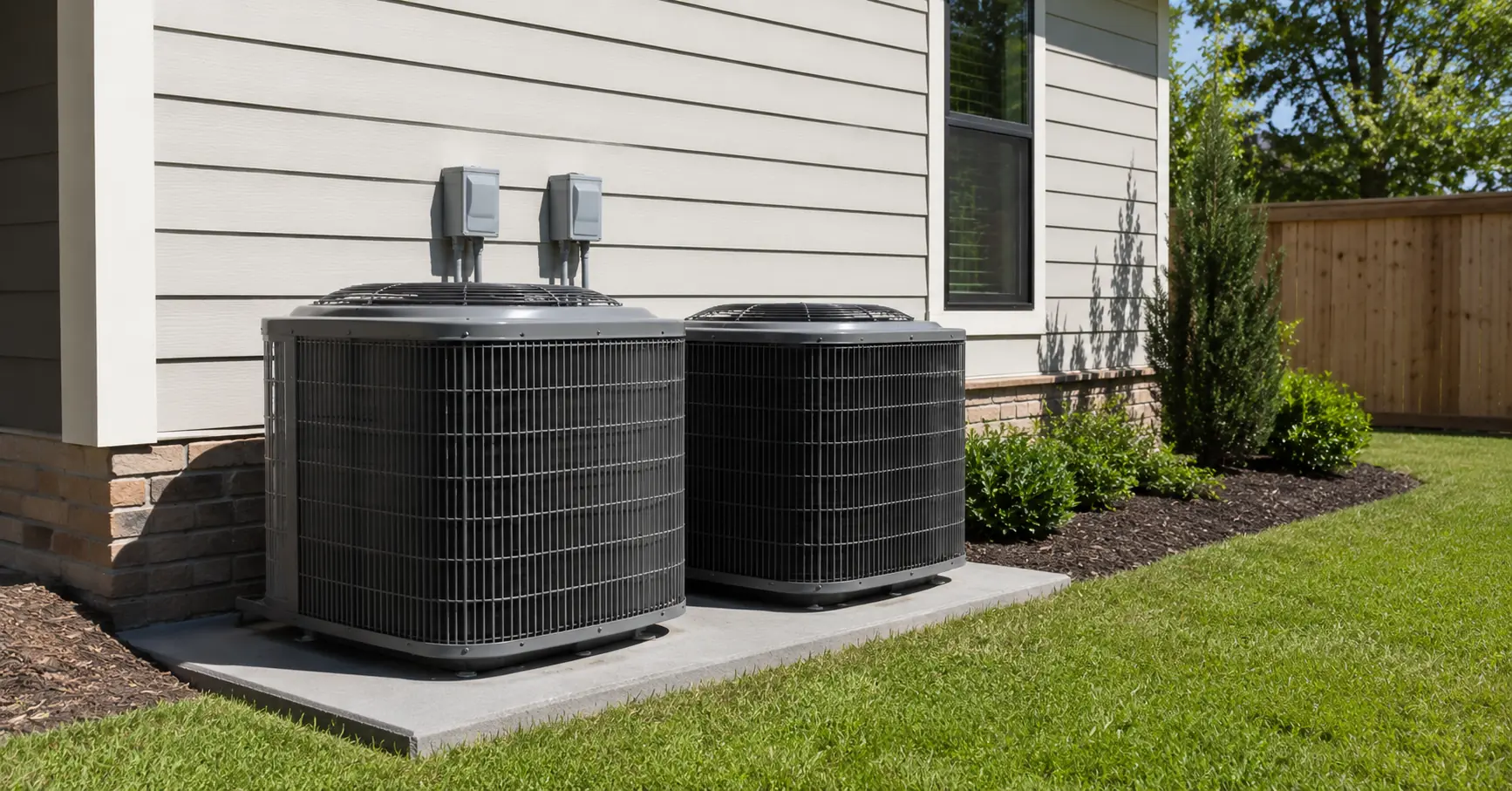
Replacing your heating and cooling system is a major investment. With different system types, efficiency ratings, sizes and configurations available, choosing the right equipment can initially feel complicated.
The good news is that you do not need to compare dozens of brands or memorize technical specifications. The best HVAC system is the one that properly matches your home, local climate, existing infrastructure and budget.
This guide explains the most important factors to compare before purchasing a new HVAC system, helping you make an informed decision without focusing on a particular manufacturer.
1. Start With the Right HVAC Size (Tonnage)
Before comparing prices, efficiency ratings or features, determine the correct system capacity for your home.
HVAC capacity is commonly measured in tons. One ton of cooling capacity equals approximately 12,000 BTUs per hour. Most residential central HVAC systems range from 1.5 to 5 tons.
However, a larger system is not automatically better.
The correct capacity depends on several factors:
- Square footage
- Ceiling height
- Insulation quality
- Number and orientation of windows
- Sun exposure and shade
- Local climate
- Number of occupants
- Condition of the ductwork
- Air leakage around doors and windows
An undersized system may run continuously without reaching the desired temperature. An oversized system may cool the home too quickly, shut off prematurely and fail to remove enough indoor humidity.
Both situations can increase energy consumption, reduce performance and place unnecessary stress on the equipment.
Not sure what size you need?
Use the Xpress AC Supply AC Sizing Calculator to receive an initial system-size recommendation based on information about your home.
Use the Free AC Sizing Calculator →
The calculator is a useful starting point. Final equipment selection should also consider the condition of your home, ductwork and existing HVAC installation.
2. Compare Efficiency Ratings
Once you know the approximate system size, the next factor to compare is energy efficiency.
The primary cooling-efficiency rating used for modern residential equipment is SEER2, which stands for Seasonal Energy Efficiency Ratio 2.
In simple terms, a higher SEER2 rating means the system can provide the same amount of cooling while using less electricity under standardized testing conditions.
Entry-level efficiency
Entry-level systems generally have:
- Lower initial purchase prices
- Simpler controls
- Reliable basic operation
- Fewer premium features
These systems may be a practical option for rental properties, secondary homes or budget-focused replacements.
Mid-range efficiency
Mid-range systems frequently provide a strong balance between:
- Initial cost
- Monthly energy use
- Indoor temperature control
- Long-term value
For many Texas households, this category offers the most practical combination of affordability and performance.
High-efficiency systems
Premium-efficiency equipment may include:
- Two-stage or variable-speed operation
- More precise temperature control
- Improved humidity management
- Quieter operation
- Lower energy consumption
The potential savings depend on your local electricity rates, how frequently the system operates and how long you plan to remain in the property.
A higher rating alone does not guarantee better real-world performance. Proper sizing, installation, airflow and equipment matching are equally important.
3. Choose the Appropriate System Type
Different homes require different heating and cooling configurations. Before purchasing, identify which system type is compatible with your property.
Straight Cool System With Gas Furnace
A straight cool system uses an outdoor air-conditioning condenser for cooling and a gas furnace for heating.
This configuration is common in homes that already have:
- Natural gas service
- Existing furnace connections
- Central ductwork
- A separate evaporator coil
It may be a practical choice when replacing an existing gas heating and central air-conditioning system.
Best suited for:
- Homes with natural gas
- Properties with an existing furnace
- Areas that experience colder winter temperatures
- Customers who prefer gas heating
Heat Pump System
A heat pump provides both heating and cooling using the refrigeration cycle.
During summer, it removes heat from the home. During cooler weather, it reverses operation and transfers available heat indoors.
Heat pumps are commonly paired with an indoor air handler. Depending on the climate and installation, supplemental electric heat may also be added.
Best suited for:
- All-electric homes
- Areas with mild or moderate winters
- Customers seeking one system for heating and cooling
- Properties without natural gas service
Ductless Mini-Split System
A mini-split system connects an outdoor unit to one or more indoor air-handling units without using traditional central ductwork.
Each indoor unit can control an individual room or zone.
Best suited for:
- Garages
- Home offices
- Additions
- Workshops
- Guesthouses
- Older homes without ductwork
- Rooms with uneven temperatures
Mini-splits can also be useful when extending existing ductwork would be difficult or expensive.
Package Unit
A package unit contains the primary heating and cooling components inside one outdoor cabinet.
Instead of having separate indoor and outdoor equipment, the system connects directly to the home’s ductwork from outside.
Best suited for:
- Manufactured homes
- Mobile homes
- Properties with limited indoor equipment space
- Certain residential and light-commercial applications
4. Understand Single-Stage, Two-Stage and Variable Operation
Systems can also differ in how they deliver heating or cooling capacity.
Single-stage systems
A single-stage system operates at full capacity whenever it is running.
Advantages include:
- Lower initial cost
- Straightforward operation
- Simpler repairs
- Broad availability
The system is either on or off, so indoor temperatures may fluctuate more than with advanced equipment.
Two-stage systems
A two-stage system can run at a lower capacity during moderate weather and switch to full capacity when needed.
Potential benefits include:
- Longer operating cycles
- More stable indoor temperatures
- Improved humidity removal
- Quieter operation
- Reduced energy use during mild conditions
Variable-capacity systems
Variable-capacity equipment can adjust output across a broader range.
Potential benefits include:
- Precise temperature control
- Consistent airflow
- Improved humidity management
- Very quiet operation
- Higher efficiency
These systems generally have a higher purchase price and may require more advanced controls and installation procedures.
The best choice depends on whether your priority is the lowest initial cost or maximum long-term performance.
5. Make Sure the Indoor and Outdoor Equipment Match
A central HVAC system is not just one machine. It is a combination of indoor and outdoor components designed to operate together.
A typical system may include:
- Outdoor condenser or heat pump
- Evaporator coil
- Gas furnace or air handler
- Thermostat
- Refrigerant controls
- Supplemental heating components
The indoor and outdoor units must be compatible in capacity, refrigerant type, airflow requirements and electrical characteristics.
An AHRI-certified matched system is a combination that has been tested and rated as a complete configuration.
A properly matched system helps provide:
- Verified efficiency performance
- Correct refrigerant operation
- Balanced airflow
- Better reliability
- Clearer warranty documentation
Avoid selecting indoor and outdoor units only because they have the same nominal tonnage. Matching model numbers and certified combinations matter.
At Xpress AC Supply, complete systems are organized to make finding compatible equipment easier. Contact the team before ordering when you are uncertain about a particular combination.
6. Consider the Refrigerant Type
Modern HVAC systems may use different refrigerants depending on the model and manufacturing date.
When replacing older equipment, do not assume that the existing indoor coil, outdoor unit or refrigerant components will automatically work with the new system.
Changing refrigerant types may require evaluation of:
- The indoor coil
- Refrigerant lines
- Metering devices
- Service tools
- Safety requirements
- Installation procedures
The installer should confirm compatibility before connecting new equipment to an existing indoor or outdoor component.
Purchasing a complete matched system is often the simplest way to avoid compatibility problems.
7. Review the Warranty Before Buying
Many residential HVAC systems include manufacturer coverage for major components and replacement parts. However, warranty terms can vary according to the equipment and how it is installed and registered.
Before purchasing, review:
- Standard warranty period
- Extended warranty eligibility
- Product-registration deadline
- Compressor coverage
- Parts coverage
- Installation requirements
- Transferability to a future property owner
- Exclusions and maintenance requirements
Manufacturer warranties generally cover qualifying replacement parts, not the labor required to diagnose or install them.
Product registration is especially important. Failure to register eligible equipment within the required period may result in reduced warranty coverage.
Save your:
- Purchase invoice
- Model numbers
- Serial numbers
- Installation date
- Installer information
- Registration confirmation
These records may be required for a future warranty claim.
8. Compare Total Cost, Not Just Equipment Price
The listed equipment price is only one part of an HVAC replacement.
Your total project cost may include:
- Outdoor equipment
- Indoor equipment
- Thermostat
- Refrigerant line set
- Drain pan
- Electrical disconnect
- Heat kit
- Filter drier
- Installation labor
- Permits
- Ductwork modifications
- Electrical upgrades
- Equipment removal
- Freight or delivery charges
A less expensive system may require additional components, while a higher-priced package may already include several necessary items.
Before ordering, prepare a complete equipment and installation list with your HVAC contractor.
Buying equipment online can help customers view prices clearly, compare configurations and separate equipment costs from installation labor.
9. Determine Which Features Actually Matter
Premium HVAC systems may offer advanced features, but not every home needs every available option.
Consider whether you would benefit from:
- Smart thermostat compatibility
- Two-stage cooling
- Variable-speed airflow
- Enhanced humidity control
- Low-noise operation
- Zoning compatibility
- Remote monitoring
- Auxiliary electric heat
- Improved filtration
- Corrosion-resistant components
Prioritize the features that solve a real need in your property.
For example:
- A humid climate may make longer cycles and improved moisture removal valuable.
- A bedroom near the outdoor unit may benefit from quieter equipment.
- A rental property may be better served by a simple and widely serviceable system.
- A long-term residence may justify a higher-efficiency investment.
The best value is not necessarily the system with the most features. It is the system whose features match how the home will actually be used.
10. Use This HVAC Buying Checklist
Before placing an order, confirm the following:
- Correct system tonnage
- Appropriate system type
- Desired SEER2 efficiency
- Compatible indoor and outdoor equipment
- Correct refrigerant
- Required electrical voltage and phase
- Furnace fuel type, when applicable
- Airflow orientation
- Coil or air-handler dimensions
- Heat-kit requirements
- Thermostat compatibility
- AHRI-certified combination
- Manufacturer warranty requirements
- Shipping and delivery access
- Licensed installation arrangements
- Local permit requirements
Taking a few minutes to verify these details can prevent delays, returns and costly installation changes.
Which HVAC System Is Best?
There is no single HVAC system that is best for every home.
The right choice depends on:
- Your home’s heating and cooling load
- Existing gas or electrical infrastructure
- Local climate
- Efficiency goals
- Available installation space
- Desired features
- Budget
- Long-term ownership plans
Start with correct sizing, choose the appropriate system type and confirm that every component is properly matched.
Once those fundamentals are correct, you can compare efficiency, operating features and price with much greater confidence.
Ready to Find Your New HVAC System?
Xpress AC Supply makes it easy for homeowners, contractors and property managers to compare and purchase HVAC equipment online.
You can:
- Browse complete matched systems
- Compare equipment specifications
- Use the free sizing calculator
- Shop online at any time
- Arrange shipping or available pickup
- Request assistance with equipment compatibility
Start with your recommended system size
Use the Free AC Sizing Calculator →
Ready to shop?
Questions before ordering? Contact Xpress AC Supply at (855) 533-0222.
Ready to Find the Right HVAC System?
Now that you understand HVAC sizing, efficiency ratings, and system types, the next step is finding the right capacity for your home.
Use our FREE AC Sizing Calculator to receive a recommendation in just a few minutes.